The Hiking Backpack Is Changing: Trail Gear Trends Shaping the Outdoor Market
Article Overview
A hiking backpack used to come with a pretty basic checklist. Enough space? Check. Tough enough for the trail? Check. Comfortable enough to carry for a few hours? Good to go.
That checklist has grown.
Hikers are becoming much pickier about what they carry, and not because they suddenly want backpacks packed with complicated features. In fact, the opposite is happening. There is a noticeable move toward lighter designs, useful rather than excessive storage, adjustable fits, and bags that are not destined for the gear cupboard once the hike is over.
For outdoor retailers, that change is worth watching. Here is what is starting to stand out.
-
Lightweight No Longer Means Bare-Bones
For years, ultralight packs seemed like specialist territory – the sort of thing serious trekkers would obsess over while casual hikers happily carried something heavier.
That line is beginning to blur.
Everyday hikers have been, of late, taking note of how much the actual pack weighs besides the stuff it is carrying. Here comes smart planning. Shaving off unnecessary bulk to make more breathing room for things that actually matter. That includes first-aid supplies, a rain layer, snacks, water, and whatever else the trail calls for.
Nevertheless, a lighter backpack does not necessarily mean fragile. Picking smarter fabric, pared-back frames, fewer unwarranted buckles, and strategic reinforcement makes the backpack way lighter without losing its purpose.
Do not go for the lightest backpack on the shelf. Go for the bag that does not feel like added baggage even before being packed.
-
One Backpack, Several Versions
A two-hour local hike and an overnight trip obviously do not require the same setup. So why should the backpack stay exactly the same?
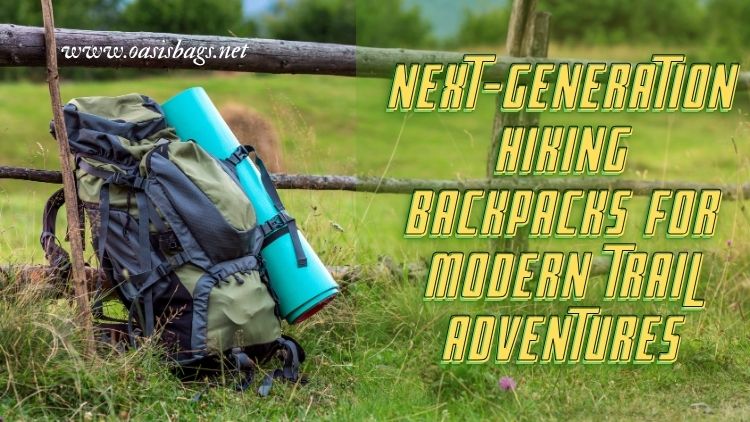
That question has flamed the interest in modular designs. Hikers can build up or strip back a pack depending on where they’re going with external attachment straps, expandable compartments, removable sections, and detachable pockets.
Shoppers also want to invest in one hardworking piece of gear instead of spending a ton on three highly specific bags.
Retailers sourcing through bag manufacturers Canada can tap into this transition by looking past fixed-capacity designs and entertaining collections that give buyers more reign over how their packs are used.
-
Fits Are No More One-Size-Fits-All
Just because a backpack looks cool does not mean it does not absolutely feel like a nightmare halfway up a steep trail.
That is when comfort takes precedence once terrain, body shape, distance, and weight enter the picture. Hikers, hence, value ventilated back panels, shaped shoulder straps, supportive hip belts, and adjustable torso lengths.
Even small adjustments matter when the load sits and how hefty it feels after a few hours.
Working with a hiking backpack manufacturer Europe can give retailers access to technical options that consider these practical fit details without making the finished backpack look unnecessarily complicated.
-
Hiking Packs Do not Look Quite So “Hiking” Anymore
Trail gear has traditionally been easy to spot. Lots of straps, highly technical details, rugged finishes – the aesthetic made its purpose fairly obvious.
Now, things are getting cleaner.
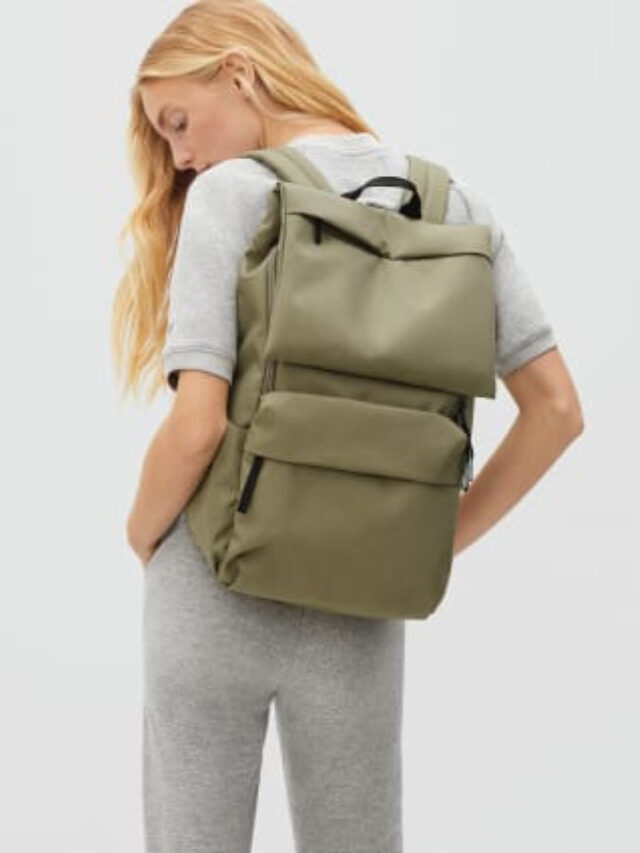
Occasional bright shades, soft neutrals, charcoal, sand, clay tones, and muted greens are popping alongside less cluttered exteriors and simpler shapes. The outcome is a backpack that makes sense on a trail one morning and won’t look strange on a train platform the next.
That matters because the potential customer is no longer necessarily someone shopping exclusively for hiking equipment. A single pack can last across camping on Friday, sightseeing on Saturday, and make it to work on Monday.
That crossover gives outdoor retailers way more room to play with positioning.
The Takeaway: Versatility Is Becoming the Real Upgrade
The hiking backpack is not being reinvented with one flashy new feature. Instead, lots of smaller changes are making it more useful.
Weight is coming down. Storage is becoming more logical. Fits are getting easier to adjust. Capacity can change when plans do. And aesthetically, trail packs are becoming easier to carry well beyond the trail itself.
The smartest outdoor collections will reflect that reality.
Business owners and retailers can put more mileage into their outdoor ranges by sourcing adaptable hiking backpacks from experienced manufacturers and suppliers that know good trail gear should not be limited to the trail.
Tags:
- bag manufacturer canada
- bag manufacturers europe
- bag manufacturers in canada
- best hiking backpack features
- bulk backpacks canada
- bulk hiking bags
- bulk trendy hiking backpacks
- camping bag supplier
- custom hiking backpack manufacturer
- european bags manufacturers
- hiking backpack manufacturer
- hiking backpack supplier
- hiking backpack suppliers
- hiking backpack trends
- how to choose a hiking backpack for retail
- OEM hiking backpack manufacturer
- outdoor backpack wholesale for retailers
- outdoor backpacks for everyday use
- shoulder bags supplier in europe
- wholesale camping backpacks
- wholesale handbags canada
- wholesale hiking backpack
- wholesale hiking backpacks
Categories:
Recent post