Sustainable, Strong & Stylish: Top Vegan Materials Set to Lead the 2026 Bag Market
Article Overview
Are you a retailer or a private label seller? As 2025 draws towards a close, you might be feeling mounting pressure to deliver sustainable, strong & stylish bags already? With rising consumer demand for cruelty-free fashion, vegan materials are not a niche trend anymore. These are the backbone of profitable collections today.
In 2026, you can expect the bag market to move toward innovative alternative fabrics and advanced plant-based options that offer the same benefits as leather, while reducing environmental impact. Take a look at the top vegan materials that are expected to be the best profit drivers in the bag market in the coming months.
Which Vegan Materials are Set to Lead the 2026 Bag Market?
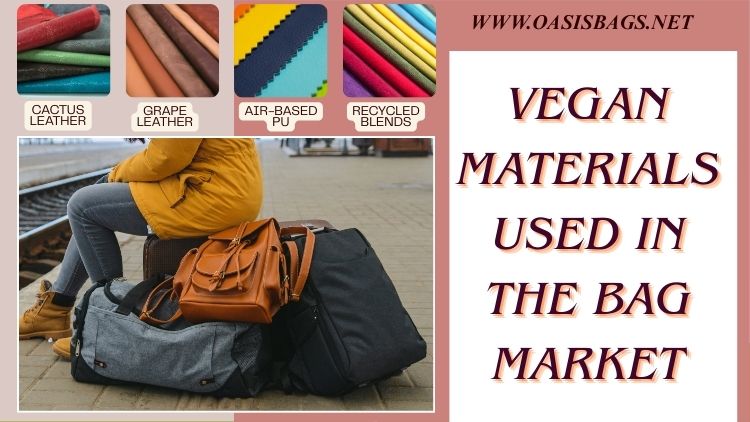
In the coming year, you can expect vegan materials to redefine the bag market – balancing aesthetics, affordability and innovation. The list will be topped by options like:
Cactus Leather
Dessert Leather from nopal cacti is winning hearts fast. It is turning out to be the new star of high-end plant-based materials. Without harming the source, it is harvested sustainably from mature prickly pear plants. It is loved for:
- Supple drape rival calfskin
- Matte finish,
- Zero animal byproducts and
- A carbon footprint that is 500% lower than cowhide
Thanks to certifications like PETA-Approved Vegan and rapid scalability, cactus leather is gaining momentum. Many producers now output tons monthly. You can see how brands like IKEA and H&M have adopted it already. This shows that it is entering mainstream popularity. It is durable for at least 5 years, which addresses past vegan leather critiques.
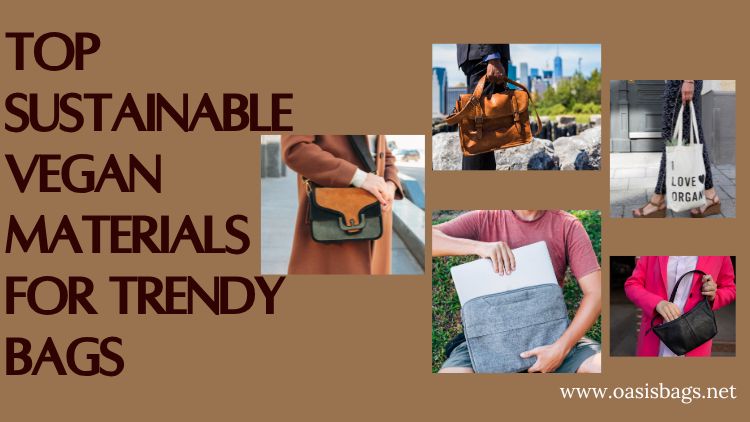
This fabric works best in structured bags like satchels and doctor bags. It is known for a natural grain, which adds luxury minus the synthetic shine. It is loved by retailers for its premium markups (up to 40% higher). Also, it can be customized easily in varied colors – from neutrals to vibrant hues. Thus, the fabric is perfect for private label differentiation.
Grape Leather
Grape leather transforms winery waste-pomace from Italian and French vineyards-into a rich, textured material. The extraction process is quite simple, binding fibers with tree resin. Thus, producers can get a 100% biodegradable product.
The fabric is enjoying growing popularity due to its pebbled surface which resembles exotic skins. Due to
partnerships with wineries, it is easy to ensure steady supply amid 25 million tons of annual waste that is generated in Europe. It appeals more to ethical shoppers due to certifications from the Vegan Society.
Slouchy hobos and wine-themed totes are the best bags to use this fabric in, which can make its earthy tones and flexibility enjoy a lot of prominence. There are many benefits for retailers. The production costs are lower (20-30% below traditional vegan options). It is possible to enjoy competitive pricing. Further, due to the waste-to-fashion narrative, it gets more social media shares and loyalty.
Air-Based PU
Air-based PU is created by capturing carbon emissions and foaming them into ultra-light sheets. It stands as a next-gen leather alternative. The material has 50% of the weight of standard PU, and has superior breathability.
Due to its zero-water production process and recyclability, this material is taking off and how! It is backed by innovators like AirCarbon, which scales via existing factories. This is a soft, waterproof fabric which is an answer to the stiffness issues of vegan leather.
Travel duffels and athletic backpacks are the best bag categories. For urban commuters, these come in lightweight, packable designs.
Retailers can enjoy unmatched cost-efficiency at scale-under $5 per square foot. As a private label seller, you can undercut competitors while touting “carbon-negative” credentials for green marketing wins.
Recycled Blends
Recycled blends blend ocean plastics, PET bottles, and textile waste into robust vegan leathers. For the mass market, these are now trending as versatile workhorses. The rise of this material can be attributed to circular economy mandates and tech advances. All these make it indistinguishable from virgin materials, be it in strength or feel.
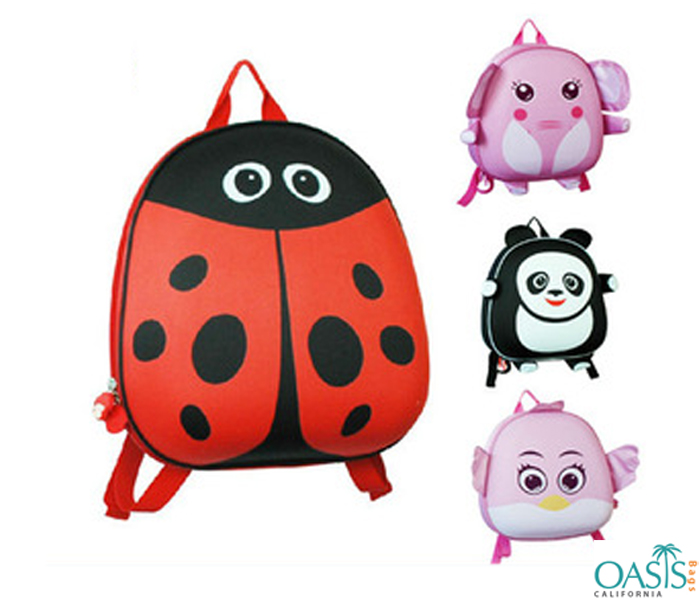
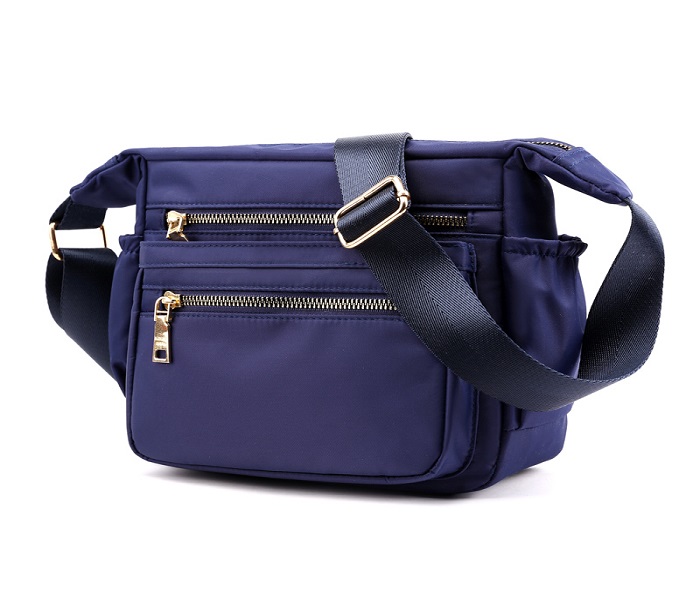
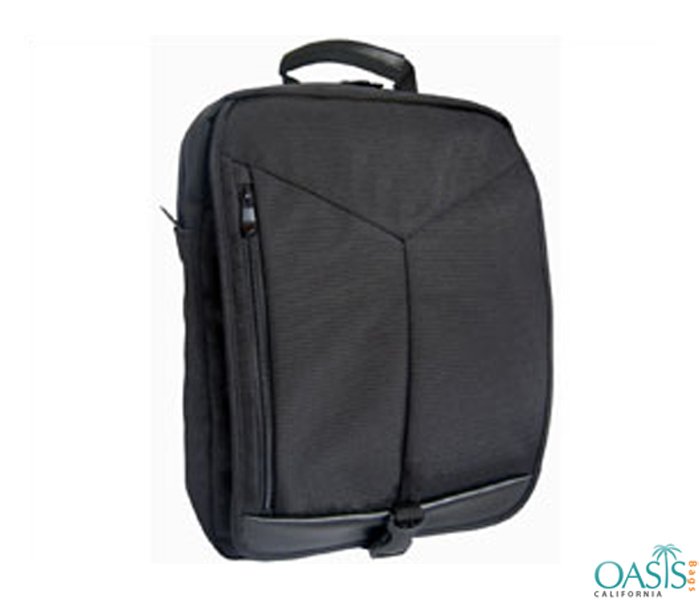
Everyday crossbodies, laptop sleeves, and kids’ backpacks – these are the top bags where it is used a lot. Its abrasion resistance ensures longevity. Retailers pick these for rock-bottom prices (as low as $3 per square foot) and high-volume availability. Further, these are recyclable – which can satisfy ESG reporting without premium costs.

How Retailers Can Gear Up for Vegan Leather 3.0?
As a private label seller, you must build layered eco-collections. Begin with entry-level recycled blends and scale to cactus or grape leathers for tiered pricing. This will allow you to capture all segments.
Also focus on strong material storytelling, using hangtags detailing “cactus-sourced in Mexico” or “winery waste from Tuscany”. You should turn your products into conversation starters, increasing their perceived value.
Further, you need to secure supplier partnerships early, with vetted producers like Desserto or Vegetable Tanned. Test small runs now, so that you can refine fits and finishes.
Get bags in such vegan materials and you can rule the 2026 bag market with sustainability. Further, you can ensure style and strength for customers as well. Pivot early; you can reap higher margins, loyal customers, and a greener brand image.
Relevant Blog: 5 Dependable Bag Materials for Your Business
Recent post
Travel Bags: Top Travel Influencer-Driven Bag Trends in 2026
February 25, 2026
Retro Fashion Resurgence: Why Handle Bags are Back in Everyday Fashion?
February 20, 2026