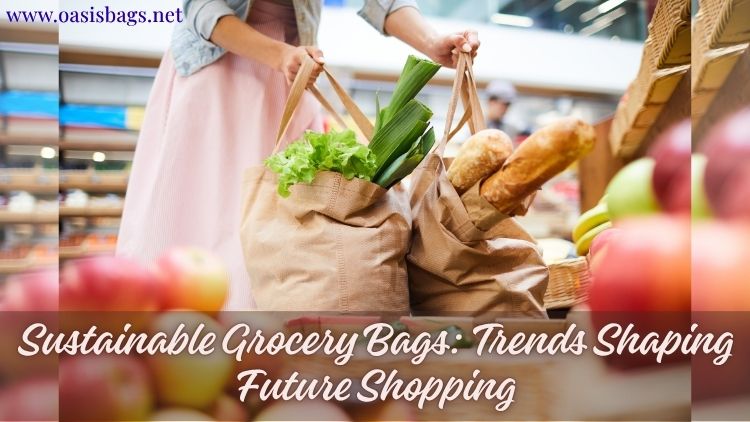
Sustainability in Grocery Bags: Trendsetting Changes Shaping the Future of Shopping
Article Overview
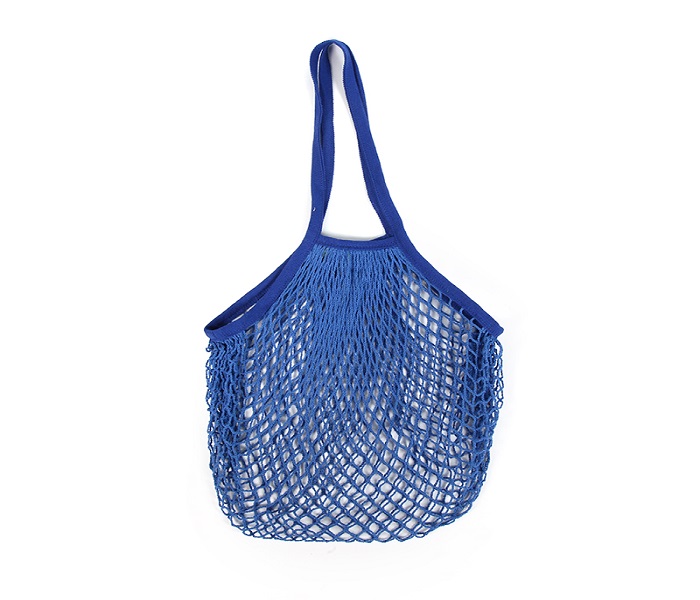
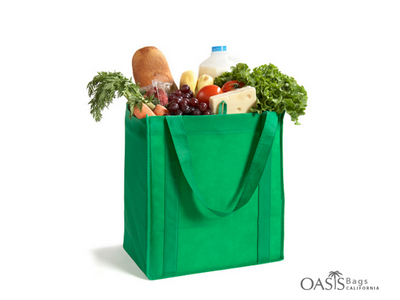
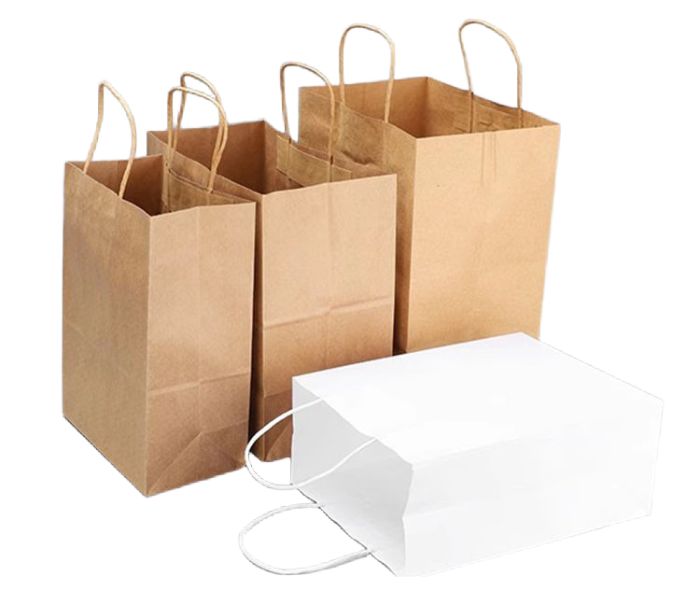
Grocery bags are changing in a big way, every day. At one time, these bags were used only for practical purposes. Today, sustainability is changing these bags. You can see almost every grocery bags manufacturer making use of reusable, recycled fabrics that are lower-impact alternatives of fabrics that have traditionally been used for the construction of such bags. Take a look at some of the trendsetting sustainable changes that are shaping the future of shopping, as you can see in modern grocery bags.
Recycled Materials Are Becoming the New Standard
Today, you can see the growing use of post-consumer recycled (PCR) plastics and recycled PET (rPET). Manufacturers are not relying only on virgin plastic anymore. They are also including reusable materials into the construction of lightweight, washable grocery bags.
For the construction of reusable bags, rPET is especially useful. These can last for a long time and reduce the demand for newly extracted plastic resources. With advancements in recycling systems, recycled content is expected to become more and more important across everyday shopping products. This holds true even for grocery bags.
Non-Woven PP Bags Are Gaining Ground
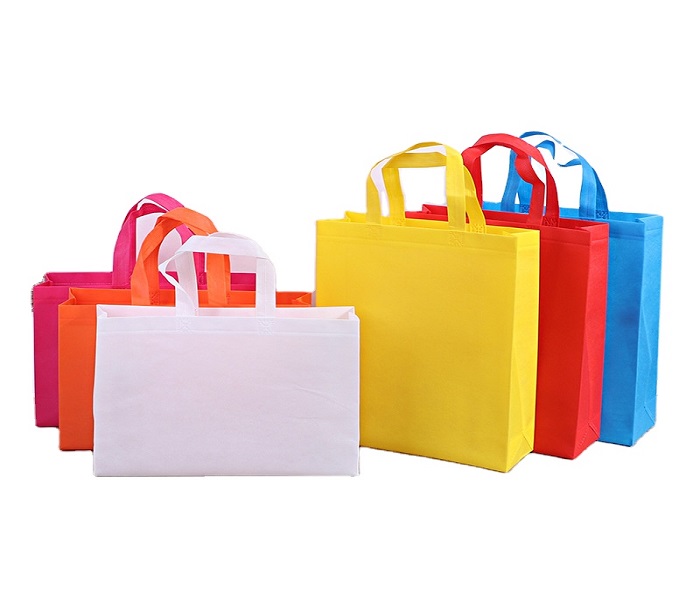
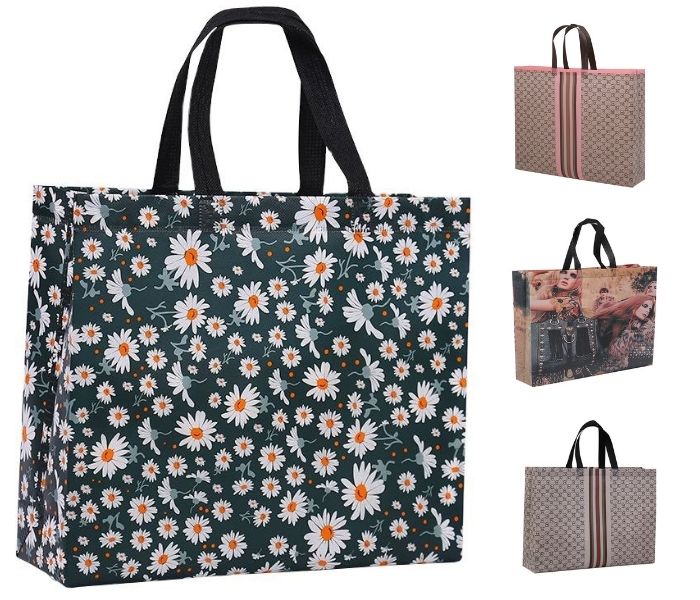
As compared to regular, single-use plastic grocery bags, non-woven polypropylene (PP) bags have emerged as a popular alternative. These are flexible, lightweight and washable. Such types of bags are designed to be used repeatedly, every day. You can say that these are perfect for regular shopping trips.
The growing use of reusable PP bags also shows that there is a broader shift. From disposable products, consumers are now moving toward items that can be used for much longer duration. When shoppers can reuse a durable bag over and over again, it reduces the need for manufacturing another bag. It saves planetary resources that would have otherwise been used in the manufacturing process.
Natural Fibers Are Making a Strong Comeback
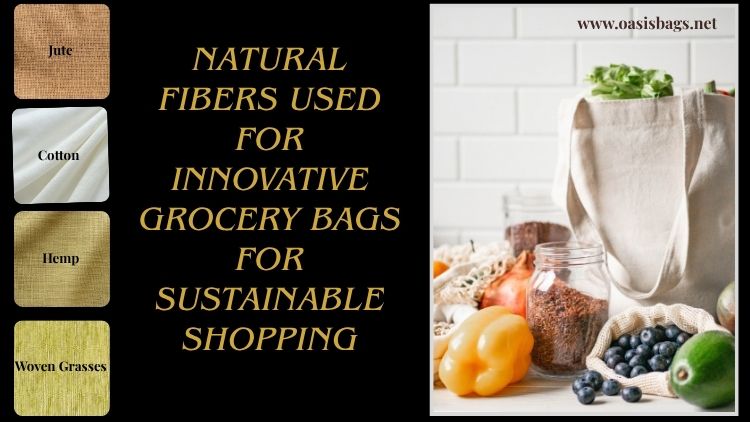
The use of natural fibers can again be seen in the grocery shopping industry. More and more grocery bags and super sacks manufacturers are using materials like:
- Jute,
- Cotton,
- Hemp, and
- Woven grasses
They are coming up with reusable shopping bags that stand out with a distinctly natural appearance.
Jute is a particularly attractive and practical fiber of choice. It is plant-based and associated with traditional packaging and textile applications. Plus, it is highly durable.
If you look closely, you can also see growing opportunities in organic retail settings and local markets due to the use of hand-woven grasses, including sabai grass, in the construction of these bags.
Such types of materials are wonderful choices for consumers who are looking for more biodegradable and traditional alternatives.
Bio-Compostable Materials Are Advancing
A number of manufacturers are also using advanced bio-compostable materials. It is an important development to notice today. Many brands are also using plant-based polymers such as PLA. These can be produced from sugarcane, corn and other natural sources. Manufacturers are increasingly exploring these for the construction of single-use packaging alternatives.
They are also going for PHA. Under suitable environment or composting conditions, these types of materials are designed to degenerate. These can serve as an alternative approach to regular petroleum-based plastics. The development and growing use of these materials in manufacturing grocery bags shows how the industry is looking beyond recycling today. Many brands are now using materials that are designed with end-of-life considerations in mind.
Plastic Bans Are Changing Retailer Choices
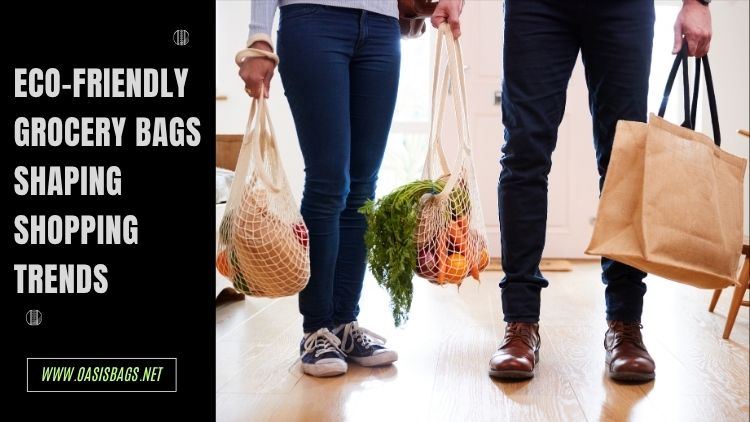
The design of grocery bags is also being directly impacted by government regulations. Due to stricter restrictions on single-use plastic bags, many retailers, supermarkets and food business owners are trying to adopt recyclable, reusable or compostable alternatives today.
With variations in regulations between regions, many businesses are making their packaging strategies more flexible. For regular shopping activities, reusable, durable bags may be effective. For all those applications in which disposable bags continue to be necessary, compostable solutions can be a better choice.
Bottom Line
Sustainability is transforming grocery bags today, making these very different from what they used to be. At a time when plastic restrictions are becoming stricter, customers are growing more and more conscious of the environmental impact of the choices. Whether you have a retail or a private label store, you will definitely like to stock sustainable grocery bags that align with the values of your eco-conscious consumers. Order these from a leading manufacturer who is as sustainable as you. You can expect the most suitable choices for your brand.
Tags:
- bulk eco-friendly bags for retailers
- bulk sustainable shopping bags
- eco-friendly bags supplier
- eco-friendly grocery bags wholesale
- future of sustainable grocery bags
- grocery bag manufacturer
- grocery bag supplier
- how do sustainable grocery bags help
- how sustainable grocery bags are changing shopping
- how sustainable grocery bags are redefining shopping
- reusable grocery bags manufacturer
- reusable super bags suppliers
- shopping bag manufacturer
- shopping bag supplier
- shopping bags wholesale
- super bags manufacturers
- super bags suppliers
- super sack bags suppliers
- super sacks manufacturers
- sustainability trends in grocery bags
- sustainable grocery bags manufacturer
- sustainable grocery bags wholesale
- sustainable shopping bags manufacturer
- what are sustainable grocery bags made from
- where can sustainable grocery bags be used
- which materials are best for grocery bags
- wholesale eco grocery bag suppliers
- wholesale grocery bags
- wholesale shopping bags suppliers
- why are reusable grocery bags important