
Understanding Recycle Bags: A Comprehensive Guide
Article Overview
- Types of Recycle Bags Available in the Market
- Materials Used in Making Recycle Bags
- Benefits of Recycle Bags for the Environment
- Common Misconceptions About Recycle Bags
- Proper Care and Maintenance of Recycle Bags
- Innovations in Recycle Bag Manufacturing
- Government Policies and Global Initiatives Supporting Recycle Bags
- Takeaway
Recycle bags are eco-friendly bags that are made of reusable fabric. With recycle bags, sustainable lifestyle is being promoted. These have become essential for governments, businesses and eco-conscious consumers who are trying to reduce carbon footprints and save the Earth.
Types of Recycle Bags Available in the Market
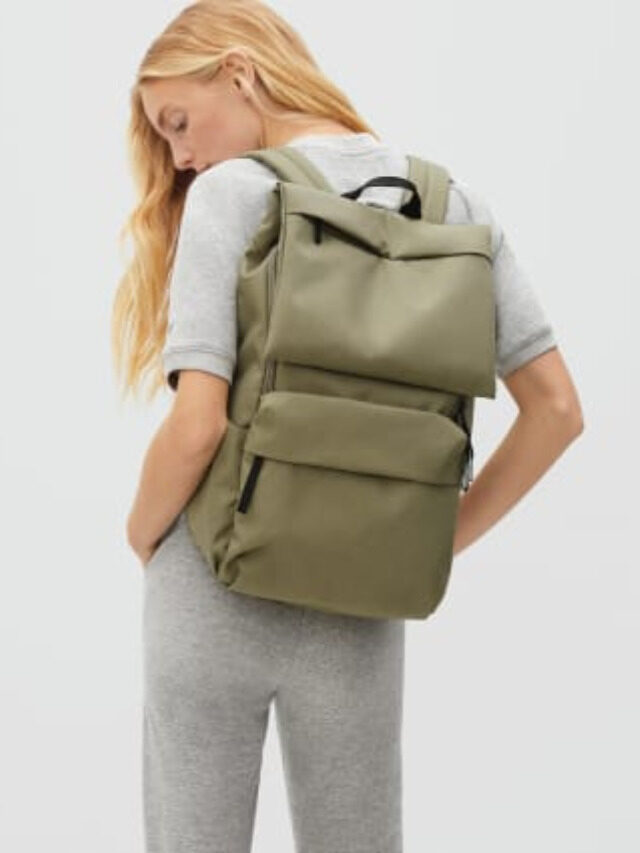
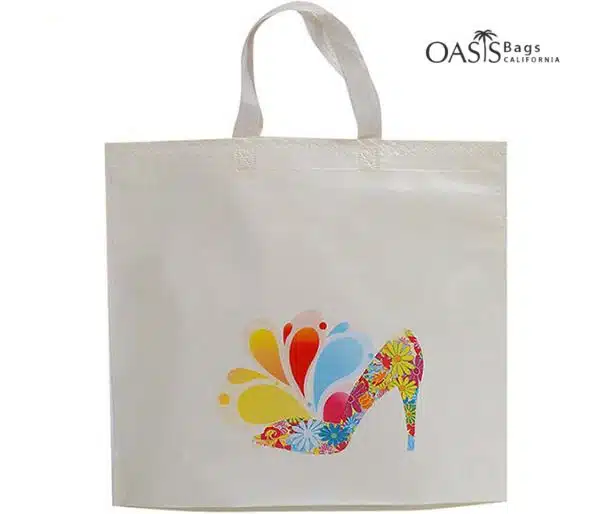
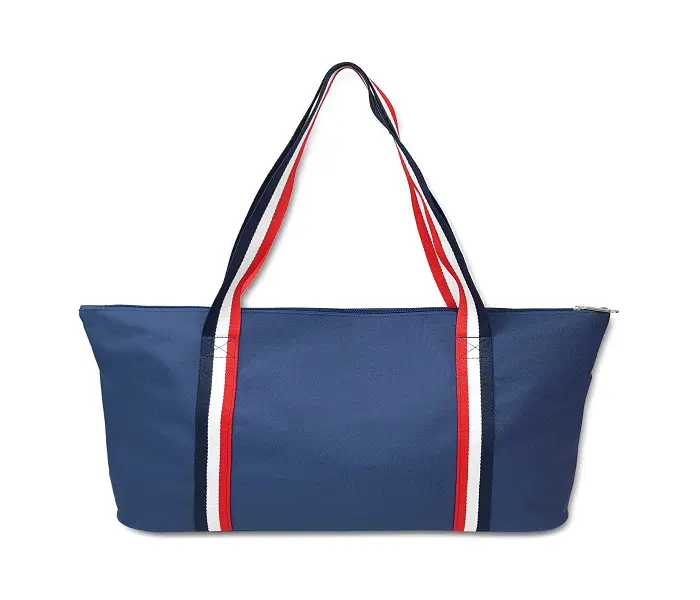
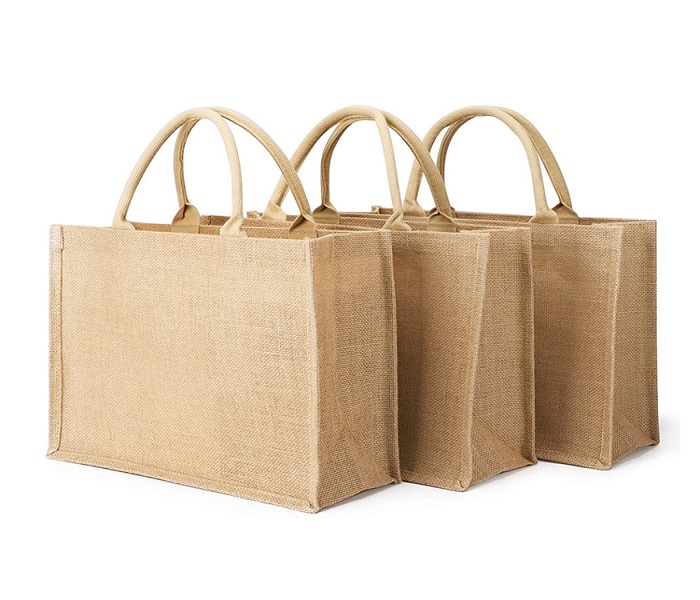
You can find wholesale recycle bags available in various designs and meant for different purposes. Some of the commonest bags include wine bags, bottle bags, foldable grocery bags, drawstring bags, tote bags and reusable shopping bags. The usage of these bags also differs in industries like agriculture, fashion or retail.
Some of the popular recycle bag varieties include:
- Jute bags,
- Canvas bags,
- Non-woven polypropylene bags,
- RPET (recycled PET) bags, and
- Biodegradable starch-based bags

Materials Used in Making Recycle Bags
The sustainability of a recycle bag depends primarily on the type of material that is used in its construction. Canvas, hemp, jute and cotton – both recycled and organic – are renewable and biodegradable, which make these popular choices.
Non-woven polypropylene and recycled PET fabric (composed from recycled plastic bottles) are used widely for their long-life span and waterproof nature. Innovative materials like biodegradable composites, starch blends and recycled denim are also used by some companies. These materials can withstand multiple uses and reduce the need for plastic.
Benefits of Recycle Bags for the Environment
Recycle bags help reduce plastic wastage significantly. These are unlike single-use, disposable plastic bags that take many years to decompose. Recycle bags are designed to be used repeatedly before being recycled eventually. With these bags, it is easy to reduce marine pollution, preserve natural resources and reduce the emission of greenhouse gasses during plastic production.
Common Misconceptions About Recycle Bags
Several misconceptions exist around recycle bags. A common misconception exists that all of these bags are completely environment-friendly. That is not the case. While these manage to reduce wastage, the processes and materials that are used in producing them still have some environmental impact.
There is another misconception that recycle bags do not need to be cleared or disposed properly. Again, this is far from the truth. It is necessary to wash these regularly and recycle them eventually, according to material guidelines.
Some people also believe that many environmental issues can be solved simply by switching to recycle bags alone. That is wrong too. It is important not to ignore the broader need for reduced consumption and better waste management.
Proper Care and Maintenance of Recycle Bags
With proper care, the lifespan of recycled bags can be extended and hygiene can be maintained. It is important to wash bags made of fabrics like jute, canvas and cotton regularly, to get rid of bacteria and food residue. Users can machine wash or wipe clean synthetic bags based on the recommendations of manufacturer.
It is possible to store bags in a dry place to prevent mold growth. When recycle bags get worn out, these should be composted or recycled, instead of tossed into trash bin.

Innovations in Recycle Bag Manufacturing
Today, you can find innovative practices being used, due to which the recycle bag industry is evolving constantly. Some manufacturers are using ocean plastics for the production of RPET bags. On the other hand, others are trying to reduce plastic content by blending polymers with biodegradable starch.
While producing these bags manufacturers are trying to reduce water pollution as much as possible with waterless dyeing methods and digital printing techniques.
Government Policies and Global Initiatives Supporting Recycle Bags
In many countries, governments have implemented taxes or bans on single-use plastic bags. This is encouraging the use of recycled bags periods. There are clear policies in place in parts of the United States, Australia, India and the European Union – that promote reusable alternatives.
The sustainable development goals of the UN and other global initiatives support the transition toward sustainable consumption. It is pushing businesses and governments across the globe to embrace eco-friendly practices, such as the use of recycled bags, in their retail outlets and operations.
Takeaway
It is easy to say that the future of conscious consumerism is being reflected in the use of recycle bags. With growing environmental concerns, more and more customers are looking for eco-friendly products for their daily use. If you have a retail clothing accessory store or a private label accessory business, you would love to upgrade your product line with stylish and functional recycle bags, to attract eco-conscious shoppers, improve brand image and make a positive contribution to the planet. Get in touch with a top-rated, global bag manufacturer for ordering in bulk recycle bags that score high on functionality and performance.
Tags:
- bag manufacturer
- bulk recycle bags with logo
- eco-friendly bags wholesale
- organic cotton bags supplier
- recycle bag supplier
- recycle bags manufacturers
- recycle cloth bags supplier
- recycled bags wholesale
- recycled plastic bags wholesale
- reusable bags manufacturer
- wholesale custom recycle bags
- wholesale recycle bags
- wholesale recycle bags manufacturer
Categories:
Recent post

Travel Bags: Top Travel Influencer-Driven Bag Trends in 2026
February 25, 2026

Retro Fashion Resurgence: Why Handle Bags are Back in Everyday Fashion?
February 20, 2026