Setting Up A Private Label Bag Business: Guide For Beginners
Article Overview
The world of fashion and accessories is evolving continuously. Aspiring entrepreneurs can get an easily accessible and great business model in the private label bag business. If you want to open up such a business, you have to sell bags under your own brand while outsourcing its production to a third-party manufacturing company.
When you do that, you can hold control over your brand, design direction and customer experience, but outsource the actual bag creation process to your manufacturing partner. With such a setup, you can get the flexibility to launch your private label bag product line with no investments in setting up a manufacturing unit or investing in expensive infrastructure. Here is a beginner’s guide that will help you to set up your private label bag business seamlessly.
Choose Your Niche And Target Market
You need to define your niche before starting production. When you choose a niche well, you can make your production design easier as well as streamline your marketing efforts.
When you have a proper idea about the lifestyle, aesthetic references and budget of your target customers, you can easily make your brand offerings resonate with the right kind of audience, exactly from the beginning.
Build A Strong Brand Identity
After you choose a niche, you have to craft a compelling brand identity. Your private label brand needs to clearly reflect your style, mission and the kind of emotions you want your customers to feel. You can do this with your brand name, tone, color palette, logo and style of packaging.
It is important to be consistent across all such touchpoints, to make your brand look reliable and easily recognizable. With a clear, authentic brand story, you can make customers connect to your business emotionally and turn them into loyalists for your brand.
Create A Business Plan And Strategy
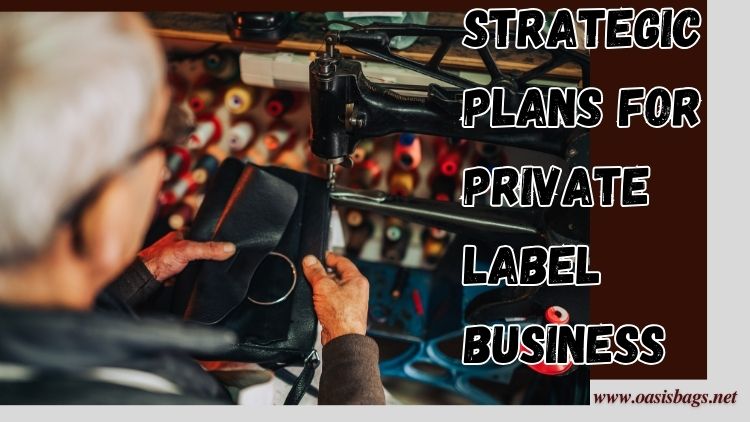
It is essential to plan carefully before launching any business. The same holds true for your private label bag brand. Your business plan needs to outline your budget as well as operational workflow, marketing channels, pricing strategy and customer service approach. You have to consider how you will handle inventory management, order fulfillment, returns and even international shipping, if applicable.
When you have a proper plan in place, you can organize everything. You can also be ready to adapt to challenges as you scale up your brand.
Design Your Bag Collection
You have to be serious about the designing aspect if you want your bag brand to be successful. It is important to have a clear vision of how you would like your bags to appear. Begin by sketching concepts or by creating digital mockups with the help of design software programs. Consider the size, closures, features, materials and compartments that will suit the needs of your target users.
It is a good idea to partner with a manufacturer that offers Original Equipment Manufacturing (OEM) services. This way, you can bring your vision to life, while ensuring top-notch functionality and quality.
Source The Right Manufacturer
Your business success will be determined a lot by your choice of manufacturing partner. Try to settle for one with a wonderful track record in producing superior leather or fabric bags as well as plenty of experience with OEM projects.
Look for low minimum order quantities (MOQs) if you are a beginner, flexible customization options, clear communication and pricing transparency. It is best for you to get a supplier who can help you with international shipping as well as satisfy compliance standards for various nations, if you plan to be a global seller.
Branding, Labeling, And Packaging
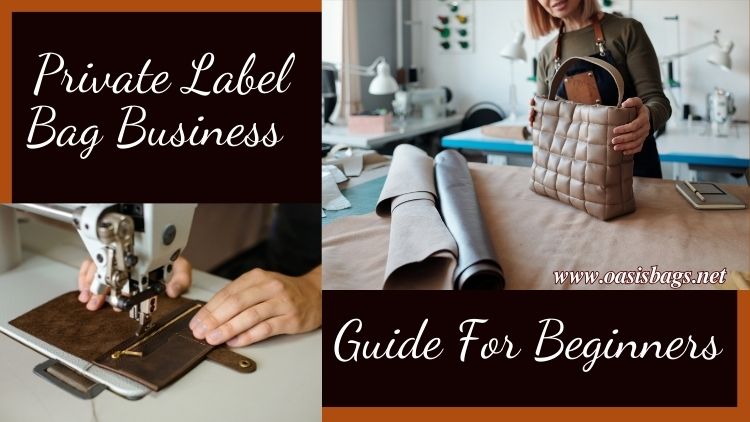
As a private label brand owner, you have the chance to customize your branding elements completely. Many bags manufacturing companies offer in-house options for branded tags, custom hardware, logo embossing and specialized packaging. It can elevate the professional appearance of your brand as well as improve its apparent worth in the eyes of consumers. With strong branding efforts at every stage, you can ensure proper trust-building and repeat business for your brand offerings.
Marketing And Sales
When you have your bags ready, you have to think about how you will market and sell them. You can display them through social media platforms like Facebook, Instagram and Pinterest, and build a community.
You might also use platforms like WooCommerce or Shopify to launch an e-commerce store.
Or you may sell via Etsy, Amazon or other third-party marketplaces.
Attending trade shows, running targeted ads or collaborating with influencers can also help you to generate brand awareness and drive sales.
Basically, that is how you can set up your own private label bag business. Once you do that, you have to also focus on managing fulfillment and ensuring highly satisfying customer experiences with robust supply chain and retail partnerships. With excellent word-of-mouth and positive reviews, you can easily ensure the long-term success of your business.
Relevant Blog: Private Label Bags Marketing Strategies
Recent post
Travel Bags: Top Travel Influencer-Driven Bag Trends in 2026
February 25, 2026
Retro Fashion Resurgence: Why Handle Bags are Back in Everyday Fashion?
February 20, 2026